Selecting the right general contractor or construction manager is one of the most important decisions in any commercial construction project. The best contractor keeps your project on schedule, within budget, and built to project scope standards. Conversely, hiring the wrong construction company can cause costly delays and disputes. Our comprehensive guide below teaches you how to choose a general contractor and provides questions to identify the best contractor for your project.
A comprehensive guide for how to choose a general contractor or construction manager.
Prequalify Commercial Construction Experience
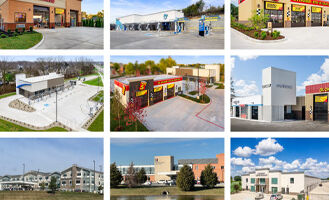 First, visit potential general contractors’ websites to review their job portfolio and completed projects. A strong portfolio demonstrates reliability and the quality workmanship of an experienced contractor. Note the frequency of builds, project timeline, and build locations. Have they built in your area before? How long did the potential contractor take to complete similar projects? Additionally, look for repetition to see if they continue to build projects for past clients and how much experience their team has. A good contractor will continue to build for the same developers/owners. Therefore, having multiple buildings for the same company or owner is a quick green flag to look for. Lastly, ask for resumes of their construction managers.
Questions to qualify experienced general contractors.
- What kind of work have you built?
- Tell me about your team’s experience?
- What certifications do you have?
Communication Style and Methods
Clear communication prevents costly misunderstandings. Pay attention to their communication from the moment you reach out. For example, how long does it take to hear back? If they are slow when trying to win your business, how slow will they be when they have it, or a project begins? Additionally, pay attention to what questions they are asking you in return. Are they interested in understanding what is important to you?
Communication questions to qualify general contractors.
- Who would be your main point of contact, and how often will updates be provided?
- What is the composition of your internal staff?
- What are the roles and responsibilities of your support staff?
Value Engineering Capabilities & Construction Services
Value Engineering for construction is the process of maximizing a projects value by optimizing functions, improving efficiency, and reducing costs without sacrificing quality, safety, or performance. This is done through reviewing design, materials, and construction process/methods to find value adding optimizations and requires a high-level of experience and knowledge. Good contractors provide value engineering intuitively because their experience lends itself to see opportunities to save the client/owner money. It should be natural for the experienced contractor as they see inefficiencies and inaccuracies in the design that can be improved upon. This saves the owner time in the completion of the project and money against the overall budget.
Value Engineering questions to qualify an experienced general contractor.
- What are some examples of value engineering you have provided owners/developers on past projects?
- What techniques do you use to seek out items on the project to re-engineer?
- Where could you see potential savings (money & time) for a job like this?
The Industry Specialized Construction Company Difference

Not all contractors have experience in the same industries. Multifamily, auto, healthcare, data centers, or other commercial construction projects all have unique challenges. First, ask about technical challenges or industry-specific questions to verify industry knowledge. Additionally, check how active they are in your industry’s professional organizations and associations. For example, are they invested in your industry for sales, but also to increase their understanding of it? Who are they networking with on social media, and how do they interact with other members within your industry?
Industry-specialization questions to qualify a specialized general contractor.
- What past work experience do you have building similar projects?
- What is your primary focus as a contractor?
- What is your target market?
- How do you find new work?
Transparency Throughout the Construction Process
Clear scopes of work and cost breakdowns prevent surprises later. New technologies in project management information systems (PMIS) exponentially enhance the overall construction process. Identifying potential general contractors that utilize a PMIS can be a good indicator of a more reliable contractor.
Additionally, note how contracts are written and sent. How does the GC explain payment structures? When they review contracts, are they protecting themselves or all parties? A good contractor who wants repeat business, should desire a fair contract to minimize conflict or disputes through the construction process.
Construction process questions to qualify the best general contractors.
- How do you record what happens on the job?
- What is communicated in project logs? What are project log intervals?
- How accessible is your record-keeping to us as clients?
- How do you control schedules and costs?
Professional Subcontractor Oversight or Professional Cat Herder?
 Almost every general contractor utilizes subcontractors for a percentage of work, if not for the entire project execution. To successfully manage all parts and parties of a project requires a detailed, experience-based construction process. Each subcontractor and supplier required for a project adds another layer of communication and coordination. This makes choosing the best contractors before a project starts imperative. Because of this, existing relationships with reliable trades help keep projects moving efficiently. Therefore, if your GC or construction manager is building in a new territory, it is important to know their process to source local subcontractors. Lastly, research their reputation with subcontractors. Understanding the experiences other trades have had working with them can be a good indicator of whether you want them to represent your business.
Communication questions to qualify a good general contractor.
- What is your process to find new subcontractors for construction projects in a new area?
- What is your vetting process for new subcontractors?
- How many subcontractors provided bids for each trade?
- What does your subcontractor and supplier network look like?
Built to Scale for Supporting Your Business’s Growth
Having a sole building partner provides multiple benefits for expediting business growth and successful expansion. With a single construction partner many of the repetitive conversations and decisions that occur through the building process can be eliminated on future projects. As the contractor gets to know your business expectations for quality and brand standards, less of these conversations are necessary. Additionally, when a contractor knows they will work with you on multiple projects, they can identify decisions made on the first project and incorporate them into future builds to speed the construction process. In order to work with a single construction partner, they need to be able to follow your brand as it expands geographically. Many contractors lack the lessening or the ability to service projects outside of their initial scope of work. If the contractor can’t travel with you as you grow, then how long do they see the business relationship lasting? In short, understand their desire to grow and how it aligns with your business growth goals. This will provide the insight you need to assess how long a relationship both parties can expect to maintain.
Scalability questions to qualify long-term general contractor partners.
- What are your goals as an organization?
- Where are you able to build?
- Where have you built similar projects?
- Currently, where are you a licensed contractor? Where will you be licensed in 3 years?
Brand Reputation
Find and inspect listing sites, outward marketing, and public profiles of the potential general contractors. For example, visit their Google Business Profile, website, social media profiles, and other listing sites. Concurrently, pay attention to detail and effort. A reputable contractor typically prioritizes their brand and reputation. Ask yourself, how will they treat your brand, based on how they treat their own? In addition, read reviews and recent posts on social media to understand how the community and previous clients feel about your potential builder. Seeing more negative Google reviews than positive is a quick and easy red flag, indicating a builder to avoid.
Brand reputation questions to qualify a reliable general contractor.
- Tell us about your company culture.
- How important is your corporate image to you?
- What is your Duns Bradstreet number?
Safety
A good general contractor should carry workers’ compensation and general liability insurance, as well as all necessary licenses. Strong safety programs reduce risk, injuries, and delays. While Experience Modification Rating (EMR) is important, it can also be deceiving. EMR is a good initial snapshot of a company’s safety rating through the eyes of an insurance company. However, it is affected by any workers’ comp claim. This means it can be impacted by claims that were not related to job site safety. This is where it is important to request loss run reports from their insurance company. These will list what kinds of claims are impacting the rating and allow for a better assessment of potential general contractors’ safety ratings, before selecting a contractor for a project.
Safety questions to qualify the best general contractors.
- Do you have a current safety manual?
- Do you have a hazard communication plan?
- May we view your OSHA 300 LOG, specifically 300A’s?
- Do you conduct Toolbox Talks with subcontractors?
Why Working with an Experienced Contractor Matters
An experienced commercial general contractor anticipates problems before they arise. Additionally, they’re responsible for coordinating all trades effectively and maintaining strict quality control. This results in a smoother commercial project and better long-term value. Choosing the right contractor can make or break any commercial construction project. Asking the right questions ensures you partner with a building contractor who protects your schedule, budget, and investment. Mammoth Construction brings years of commercial construction experience, strong pre-construction planning, and transparent project management to every job.
We challenge you to put us to the test! Use this guide on how to choose a general contractor and interview Mammoth Construction for your next commercial project. Whether you’re building a car wash, gas station, dealership, metal building, or other commercial project, Mammoth’s dedication to our client’s ROI will make your builder selection easy.